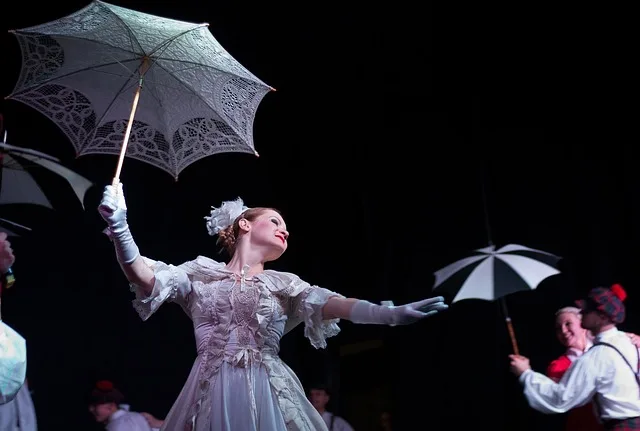
Ballroom Dancing & Dance Camps: Online Courses and Training in Kemerovo, Russia
Ballroom dancing is growing in popularity across Russia — and Kemerovo is no exception. Whether you’re a complete beginner, a couples dancer, or preparing for competitions, combining online courses with local dance camps and studio training gives you the fastest path to solid technique, confidence, and fun. This article explains how to find the best online and in-person options in Kemerovo, how to choose courses, and how to plan effective training.
Why combine online courses with dance camps and studio coaching?
— Flexibility: *Online lessons* let you practice technique on your own schedule and revisit material as needed.
— Intensive progress: *Dance camps* and in-person workshops accelerate learning with concentrated practice, partner work, and live feedback.
— Community and performance: Local studios and camps give you social practice, performance opportunities, and motivation.
— Cost-effectiveness: Use online materials for daily drills and book targeted in-person sessions for corrections and partner work.
What you can find in Kemerovo
— Local dance studios and ballroom schools: many studios offer group classes, private lessons, and periodic workshops.
— Cultural houses, universities, and community centers: frequently host dance clubs and seasonal intensives.
— Seasonal dance camps and weekend workshops: look for regional events in the Kemerovo Oblast and neighboring cities — these bring guest coaches and concentrated training.
— Online teachers and hybrid programs: local instructors increasingly run Zoom classes, recorded lesson libraries, and WhatsApp/VK support groups.
How to find reputable local options
— Check VKontakte and local Facebook groups for Kemerovo dance communities and event announcements.
— Visit nearby studios and sports centers and ask for trial classes — most offer a single-session intro.
— Search for regional dance federations or clubs; they list certified coaches and competition teams.
— Ask for references and videos of students/performances to judge teaching style and results.
Best online resources to complement studio work
— Structured course platforms (e.g., Udemy, Skillshare) for foundational technique and theory.
— Specialist dance platforms and channel series for ballroom patterns, posture, and musicality.
— Live Zoom or Skype private lessons for real-time corrections when an instructor isn’t available locally.
— YouTube channels and short-lesson libraries for drills, conditioning, and choreography ideas.
How to choose the right course or camp
— Level-appropriate content: beginner → foundations; intermediate → partnering and technique; advanced → performance and competition strategy.
— Qualified instructors: certifications, competition experience, or strong teaching testimonials.
— Feedback frequency: prioritize programs offering personalized feedback (video review, live correction).
— Class format: group drills, partner practice, and one-on-one coaching should be balanced.
— Trial or sample lessons: always test the teacher’s style and pacing before committing.
Typical training plan (8 weeks) — blended approach
Week 1–2: Foundations
— Online daily drills: posture, basic footwork, alignment (20–30 min/day).
— One studio or private lesson for partner connection and technique.
Week 3–4: Patterns and Musicality
— Learn basic ballroom patterns via online modules; practice with a partner twice weekly.
— Attend a local workshop or weekend class for live feedback.
Week 5–6: Performance & Styling
— Record video lessons and submit for instructor feedback online.
— Participate in a local practice session or club night to practice lead/follow.
Week 7–8: Intensive & Consolidation
— Join a short dance camp or multi-hour workshop to polish technique, stamina, and choreography.
— Set goals for next steps (competition, social dancing, or advanced coaching).
What you’ll need
— Ballroom shoes (or flexible dance sneakers) with a smooth sole.
— Comfortable practice clothing that allows movement.
— A clear practice area at home (2.5–3 m square recommended for basics).
— Reliable internet, webcam, and good lighting for online lessons and video feedback.
Budgeting & pricing tips
— Online courses can be free, per-class, or subscription-based — choose what fits your learning style.
— Private lessons cost more but give faster corrections; combine them with cheaper online drills.
— Dance camps and weekend workshops often offer early-bird discounts — join local mailing lists to catch deals.
Preparing for a dance camp in Kemerovo
— Arrive rested and with clear goals (technique, repertoire, partnering).
— Bring water, clothes for multiple sessions, and a small notebook for corrections.
— Be ready to film sessions or receive video feedback for later practice.
Safety & COVID-era considerations
— Check studio and camp hygiene policies and capacity limits.
— If you prefer low-contact training, prioritize private online lessons and small-group workshops.
Final tips
— Practice consistently — short daily sessions beat infrequent long ones.
— Use video to self-assess and track progress.
— Build social connections: dancing is as much about community as it is about steps.
— Combine the best of online structure with live camps and local coaching to accelerate progress.
If you’d like, I can:
— Suggest a sample week-by-week training schedule tailored to your level;
— Draft email templates to contact local studios in Kemerovo asking about trial lessons and upcoming camps;
— Recommend ways to film and submit practice videos for useful instructor feedback.